Assembly and pressing
Component feeding, guided positioning, press assembly, riveting and fastening, with force and displacement evaluation where the process requires it.
INDUSTRIAL AUTOMATION
Benlong's company profile presents custom automation projects for assembly, handling and testing. Start with your product, process sequence and acceptance criteria to define a suitable equipment scope.
ASSEMBLY LINE REFERENCE
The water-pump assembly project in our company profile combines bearing and impeller press assembly, sealing and housing assembly, screw fastening, electrical checks and leak testing.
Other project references cover valve and actuator assembly, nozzle pressing and riveting, and roller and pin assembly. They show how feeding, positioning, joining and verification can be combined around a defined product.
Discuss your process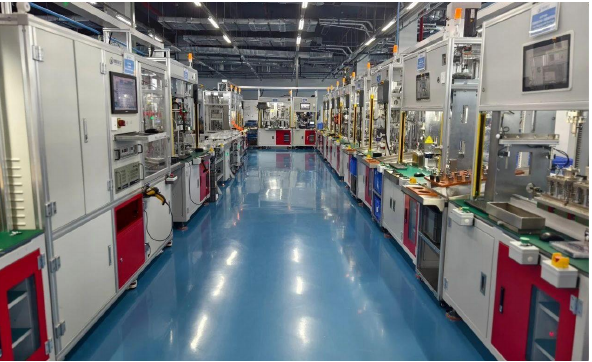
PROJECT FUNCTIONS
The functions below appear in our company-profile project examples. The combination, controls and acceptance tests are defined for each application.
Component feeding, guided positioning, press assembly, riveting and fastening, with force and displacement evaluation where the process requires it.
Pressure, flow, sealing and end-of-line checks integrated into the product's assembly or test sequence.
Product transfer, orientation, loading and unloading, including positioning and error-proofing for the next operation.
Project references include a thermal management test platform combining vacuum, fluid filling, temperature control and test circuits.
Vision checks for component presence or position, identification and comparison of marked product information.
Binding process and inspection results to product records, with data storage and transfer requirements defined for the project.
DEFINE THE PROJECT
Part and assembly drawings, product samples or clear photos, material and the variants the equipment must handle.
Current process sequence, required operations, production target, changeover needs and manual or automated interfaces.
Acceptance criteria, required measurement data, available floor space, utilities, controls interfaces and intended destination.
Include the applicable equipment safety standards and destination requirements so they can be addressed during the technical review.
START WITH YOUR PROCESS
Send product information and your assembly or testing requirements. We will review the scope, interfaces and acceptance criteria before discussing an equipment proposal.